
“Your habits will determine your future.” Jack Canfield
You probably learned how to change a tire, manage money, and do your job by watching someone else.
Marriage? Probably the same way.
Nobody handed you a manual explaining how to handle conflict, communicate with your wife, or build a relationship that gets better over time. You learned by watching the people around you, especially your parents.
And here’s the thing: You may be repeating patterns you never consciously chose.
Think about how conflict was handled in your childhood home.
Did people yell? Shut down? Pretend nothing happened? Did your dad apologize, or did he fix something around the house and expect that to make everything right?
Maybe you heard things like, “Don’t air your dirty laundry,” or “That’s just how men are.”
Nobody necessarily sat you down and told you these were the rules. You absorbed them by watching and listening.
Your parents learned their relationship habits from their parents, who learned from theirs. Somewhere along the way, someone figured out how to survive a relationship and passed those strategies down as the way things are done.
That doesn’t mean your parents got everything wrong. They were working with what they knew.
But what helped them get through their marriage may not be what helps you build the marriage you want.
If you grew up watching people avoid difficult conversations, you might see avoiding conflict as normal. If affection was rare, a marriage with very little emotional connection might not seem particularly unusual.
You may even compare your marriage to what you witnessed growing up and conclude that things are pretty good.
But is that really the standard you want to use?
Just because something feels familiar doesn’t mean it’s healthy.
The good news is that you don’t have to keep repeating these patterns.
Start by identifying them. Get specific about what you saw growing up, what you learned about marriage, and which of those lessons you’re still following.
Then pay attention to what happens when you’re under pressure.
When you’re tired, frustrated, or feeling criticized by your wife, do you shut down? Get defensive? Avoid the conversation altogether?
Those moments often reveal more about what you learned growing up than you’d expect.
Once you recognize a pattern, you have a choice about whether to continue it.
If you don’t change it, you choose it.
That’s the uncomfortable part. But it’s also the empowering part. You can choose differently.
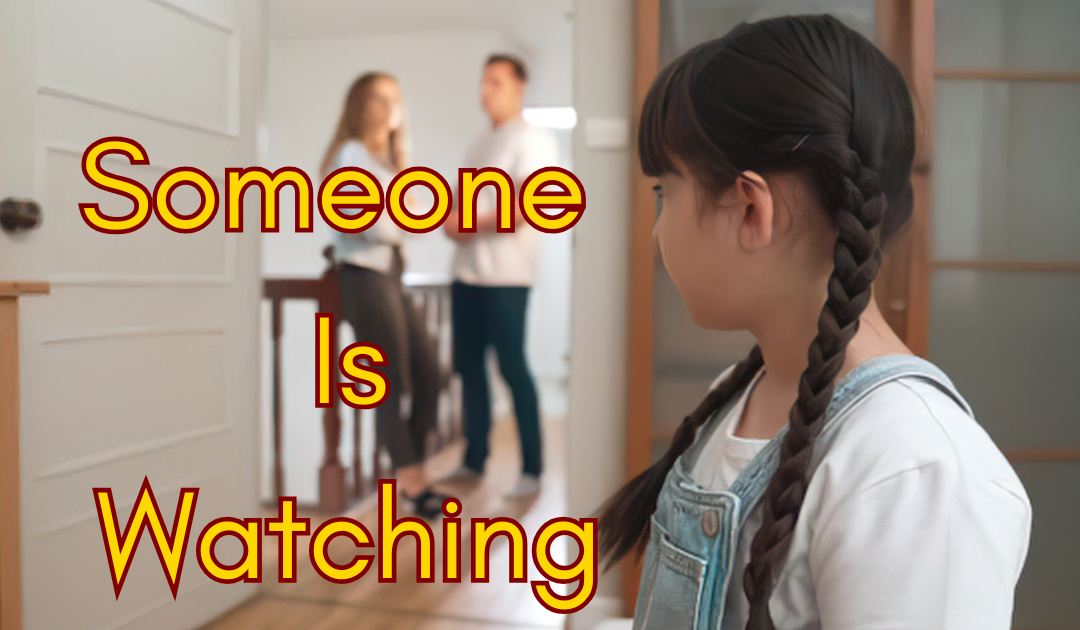
Because someone is always watching.
The people around you are learning from your relationship. Your kids, if you have them, are forming ideas about love, respect, and commitment by watching how you and your wife treat each other.
They notice whether you listen when you disagree. They notice how you handle frustration. They notice whether you take responsibility when you get something wrong.
You can tell them what makes a good husband or wife, but your behavior gives them a real-world example.
And the lessons they absorb may influence what they accept in their own relationships, years from now.
That’s a pretty good reason to take this seriously.
I’m not suggesting you blame your parents or spend years analyzing your childhood.
I’m suggesting you recognize that you may have inherited some relationship habits that aren’t serving you today.
Keep what was good. Learn from what wasn’t. Develop the skills you never had the opportunity to learn.
You invest in your career because you want to perform better. You maintain your health because you want to stay strong. Your marriage deserves that same intentional effort.
After all, your relationship affects nearly every other part of your life.
You didn’t choose the relationship patterns you grew up with. But you can choose which ones you carry forward.
If you recognize patterns in your marriage that keep getting in the way of the connection you want, you don’t have to figure out how to change them alone.
Through the Hero Husband Method, I help men develop the communication skills and practical strategies to build stronger marriages.
You can’t change the marriage you grew up watching. But you can change the example you set today.
You’ve got this. But if you don’t, I’ve got you. If you’re ready to develop better relationship skills, hit reply with the word HABITS.
Responsibility, Not Blame for Your Marriage
"The single most empowering thing you can do is take responsibility for yourself, 100% of the time." Mel Robbins If you’ve ever had an argument with your wife and found yourself mentally building a case for why you were right, you’re not alone. You remember what she...

You’ve Changed But Your Wife Doesn’t Trust It
"Stop being afraid of what could go wrong, and start being excited about what could go right." Tony Robbins There’s a statistic every married man should know: Women initiate roughly 67% to 90% of divorces, depending on the study and the population being measured. The...

Own Your Part Without Taking All the Blame
"I will keep constant watch over myself and‚ most usefully‚ will put each day up for review." Seneca When things go wrong in your marriage, it’s easy to start building a case. You remember what she said. You remember what you said. You can probably point to the moment...